
Learn the Path
Before You Apply.
No jargon. No runaround. Just clear answers about halal home financing.
Three ways to use this center.

New to Halal Finance?
Start with the Murabaha explainer, then compare the structure against conventional financing.
Understand Murabaha →
Ready to Buy?
Review the timeline, credit prep, documents, down payment planning, and offer process.
Open Buyer Guide →
Comparing Options?
Use calculators and comparison tools to estimate affordability, cash to close, and refinance impact.
Use Planning Tools →
See how close you are to a complete file.
Check off what you already have. The goal is not perfection; it is knowing what to gather before underwriting asks.
0 of 8 complete. Start with income and asset documents.

Islamic Finance Glossary
Murabaha
murabahah
A cost-plus sale where a bank buys an asset and resells it to the buyer at a disclosed markup.
Riba
riba
Interest or usury. Halal financing avoids loan-based interest by using trade or partnership structures.
Sharia
shari'ah
Islamic legal and ethical guidance used to review transaction structure and fairness.
Fatwa
fatwa
A scholarly opinion or ruling on whether a transaction structure aligns with Islamic principles.
Ijara
ijarah
A lease-based Islamic finance structure where use of an asset is exchanged for rent.
Musharaka
musharakah
A partnership model where parties share ownership, risk, and proceeds according to agreed terms.
Gharar
gharar
Excessive uncertainty or ambiguity. Clear terms and disclosure help avoid gharar.
DTI
debt-to-income
A ratio comparing monthly debt payments to monthly income, used to evaluate affordability.
LTV
loan-to-value
A ratio comparing the financing amount to the property value or purchase price.
Pre-Approval
file review
A lender review of credit, income, assets, and documents before shopping or making an offer.
Closing Disclosure
final terms
A required document showing final costs, payment terms, and cash needed before closing.
Escrow
payment reserve
An account used to collect and pay property taxes, insurance, or other recurring housing costs.

Practical worksheets for your next step.
Halal Homebuyer Preparation Checklist
A clean checklist for credit, documents, down payment, and timing.
Get the checklist PDFDocument Gathering Worksheet
Use this to track missing income, asset, identity, and property documents.
Send me the worksheet PDFMurabaha vs Conventional Comparison Sheet
A side-by-side structure comparison for family conversations.
Get the comparison PDFFirst-Time Buyer Timeline Planner
Map your prep, pre-approval, shopping, offer, underwriting, and closing windows.
Send me the planner KITHalal Homebuyer Starter Kit
All four resources above in one package, plus a personalized note from Abdi on your next step.
Get the starter kit
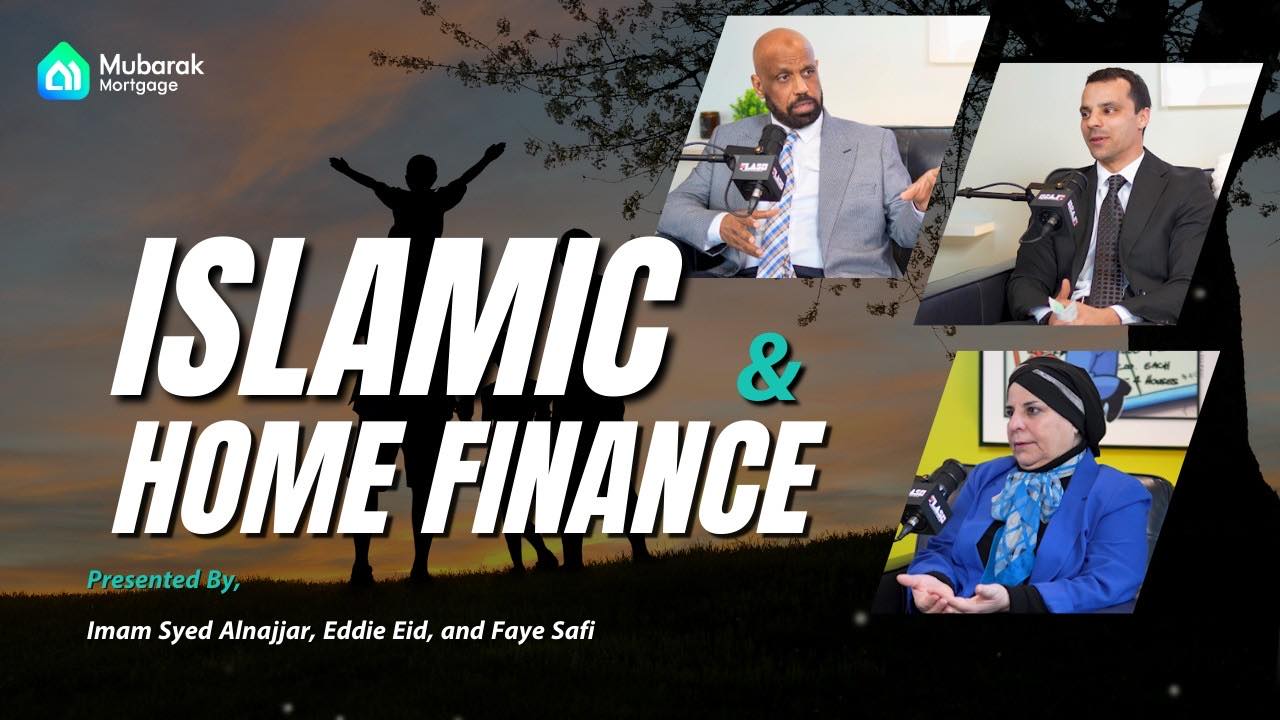
Scholar and expert explanations.

Clear answers by topic.
Halal Finance Basics
A halal structure avoids interest-based lending and uses a reviewed sale, lease, or partnership structure tied to a real asset with clear terms.
No. Murabaha is structured as a purchase and resale at a disclosed markup, while conventional mortgages are loans with interest charged on borrowed money.
Monthly installments can look similar because both spread housing cost over time. The important distinction is the contract structure and source of profit.
Qualified Islamic scholars and compliance reviewers evaluate the documents, sequence, and operational process for Sharia alignment.
Many programs allow early payoff without a prepayment penalty. Your exact payoff terms are reviewed in your disclosures before closing.
Buying a Home
Down payment ranges commonly fall between 3% and 20%, depending on program, property type, credit, and financial profile.
Requirements vary by program. A review of credit, income, savings, debt, and property type gives a more accurate answer than a single score number.
Yes. Pre-approval helps you understand budget, documents, cash needed, and offer strength before you shop.
Often yes, with a signed gift letter and clear documentation of the transfer. Requirements depend on the program.
Our average funding time is around 10 days after a complete application, accepted offer, appraisal, title, and underwriting review.
Documents & Underwriting
They must verify complete account history, deposits, balances, and any missing pages. Even blank pages may be required.
Self-employed buyers usually need tax returns, profit and loss information, business statements, and a more detailed income review.
Yes. Large deposits may need documentation so underwriting can verify acceptable sources of funds.
Possibly. Lenders usually need a consistent history and documentation that the income is likely to continue.
Common delays include missing pages, unexplained deposits, appraisal issues, title items, credit changes, or late responses to conditions.
Refinance & Next Steps
Yes. A refinance can replace an existing conventional mortgage with a Sharia-reviewed structure if you qualify.
It can make sense when savings, term changes, cash-flow needs, or a desire to move to halal financing outweigh closing costs.
Often yes, though some programs may offer appraisal waivers depending on property data and loan profile.
Start with a short consultation so Abdi can understand your timeline, income type, down payment plan, and questions.
No. Pre-qualification and pre-approval are helpful planning steps, but final approval depends on full underwriting, property eligibility, and conditions.